As part of our study of the garden system, we planted some seeds today. We will be watching them grow closely and will see what we can learn.
Important Dates
Library - Tuesdays are check out
only days for small groups and Fridays are whole crew library time. Be
sure to bring back any books that you have finished with by those days
if you would like to check out new books.
4/28 Outdoor Learning Environment (OLE) Work Day
5/9 Renaissance ArtWalk 4:00 - 6:00 pm
5/10 ArtWalk 4:00 - 5:30 pm and Beauty and the Beast at 7 pm
5/11 ArtWalk 4:00 - 5:30 pm and Beauty and the Beast at 7 pm
5/12 Beauty and the Beast at 2 pm
5/16 - 5/17 Student-Led Conferences for First Grade
5/23 Third Grade Showcase Portfolios 1:15 pm 3rd Grade Showcase Panel Member Sign Up
5/28 No School
5/30 Sixth Grade Showcase Portfolios 1:15 pm 6th Grade Showcase Panel Member Sign Up
6/5 Sixth Grade Closing Circle 6:30 pm
6/6 Last Day of School - All School Drum Circle at 9:00 am
Home        About        Adventure Education          Resources for Students        Parent Resources       Information
Monday, April 30, 2018
Friday, April 27, 2018
Phonics
We have been doing a review of all of the phonics we have
learned this year. It has been very helpful since many of us are at a
different stage of reading/writing/spelling than we were when we first
learned some of the concepts. We are seeing them in new ways because of
this - "Oh, I can use this when I am writing not just when I am reading!"
We are also using short video clips from nessy.com and The Electric
Company television show from PBS (many of these videos feature
Lin-Manuel Miranda) to make this more fun. The crew loves the videos
from both sources. They are singing them at random times throughout our
day. Hopefully this will help them remember these skills and use them
when they are reading, writing and spelling from now on. The Nessy
videos are all gathered in one place but the Electric Company videos
aren't. They are still easy to find by searching. Below are some links
to some of the clips we have used that you might want to use at home
with your child or when you are on a road trip or in an airport or at a
doctor's office or waiting for your meal in a restaurant or...
Nessy Reading Strategy Videos
Nessy Spelling Strategy Videos
Electric Company Videos
Electric Company Videos - with Lin-Manuel Miranda
Electric Company Website - this site has full episodes of the show, video clips and games that support word work and math but the games are not as content driven as the videos
Wednesday, April 25, 2018
Spelling
As we continue to work on spelling more words correctly, I wanted to
share a few ideas with you that you can do at home to help your child
work on spelling.
Commercial Board Games
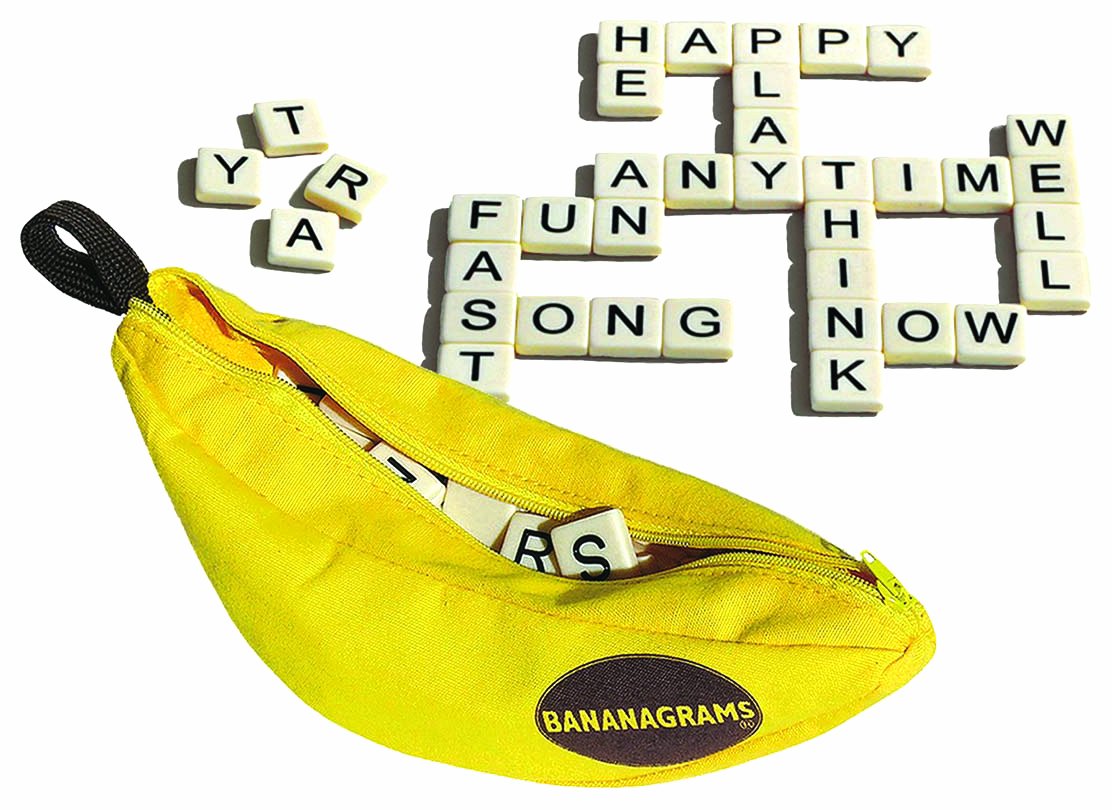
Have a family game night and play a board game with word play like Scrabble, Scrabble Jr., Boggle, Boggle Jr, Upwords, Bananagrams, Zingo, Word Yahtzee, and many more.
Other Word Play Games
You can also do word searches, crossword puzzles, hangman (or our version called, Melting Snowman) or other games that just need a paper and pencil. You can buy books of this type of puzzle or you can go online and print some off. Also, many of these games have online versions that are fun to try, too.
You can also just write a long word on a piece of paper and see how many shorter words you can make using just the letters in that word.
Games to Play in the Car
You can have a spelling bee in the car and give each person a word to spell that is at their level.
You can say a word like "hat" and say what would that word be if I changed the "h" to a "c", to an "f" and so on. Experiment with changing beginning sounds, ending sounds and middle sounds.
Play a game based on word families. Name a word family like the "ate" family. Go around the car and have each person say another word in that family: late, skate, fate, date, gate, and so on.
Online Games
Search for word games on your computer, iPad or smart phone for your child to play. There are many, many variations out there.
Be Creative
Make up your own games. Anything that makes kids think about words and how they are spelled will help.
Commercial Board Games
Have a family game night and play a board game with word play like Scrabble, Scrabble Jr., Boggle, Boggle Jr, Upwords, Bananagrams, Zingo, Word Yahtzee, and many more.
Other Word Play Games
You can also do word searches, crossword puzzles, hangman (or our version called, Melting Snowman) or other games that just need a paper and pencil. You can buy books of this type of puzzle or you can go online and print some off. Also, many of these games have online versions that are fun to try, too.
You can also just write a long word on a piece of paper and see how many shorter words you can make using just the letters in that word.
Games to Play in the Car
You can have a spelling bee in the car and give each person a word to spell that is at their level.
You can say a word like "hat" and say what would that word be if I changed the "h" to a "c", to an "f" and so on. Experiment with changing beginning sounds, ending sounds and middle sounds.
Play a game based on word families. Name a word family like the "ate" family. Go around the car and have each person say another word in that family: late, skate, fate, date, gate, and so on.
Online Games
Search for word games on your computer, iPad or smart phone for your child to play. There are many, many variations out there.
Be Creative
Make up your own games. Anything that makes kids think about words and how they are spelled will help.
Tuesday, April 24, 2018
Showcase of Learning Celebrations
At the end of every school year, we host Showcases of Learning Celebrations. These are formal presentations at the end of 3rd grade and 6th grade where students present their learning to a panel of community members. I have to say that it is one of my most favorite events of the year. I always leave feeling so inspired and in love with our school and our way of educating students. It makes me proud to be a part of this community. We need you to help make these happen. We need you to volunteer to come and be on a panel for a student. You will not be alone and will have a teacher or staff member on the panel with you. Your job is just to come and listen to all of the things that our students have to share. You won't regret volunteering for this. I know many people often feel nervous about signing up for this but I promise you will come away feeling inspired and happy that your child attends Renaissance. Please consider volunteering for a panel and/or asking friends, neighbors, grandparent, aunts, uncles or other community members to sign up. If you are the parent of a third grader, please sign up for the sixth grade event and if you are a parent of a sixth grader, please sign up for the third grade event. For more details and to sign up, visit the links below:
5/23 Third Grade Showcase Portfolios 1:15 pm 3rd Grade Showcase Panel Member Sign Up
5/30 Sixth Grade Showcase Portfolios 1:15 pm 6th Grade Showcase Panel Member Sign Up
Other grades will have less formal Showcases of Learning at the end of the school year, too. First grade will do theirs during our last round of student-led conferences in May.
5/23 Third Grade Showcase Portfolios 1:15 pm 3rd Grade Showcase Panel Member Sign Up
5/30 Sixth Grade Showcase Portfolios 1:15 pm 6th Grade Showcase Panel Member Sign Up
Other grades will have less formal Showcases of Learning at the end of the school year, too. First grade will do theirs during our last round of student-led conferences in May.
Monday, April 23, 2018
Thinking Like a...
Yes, we are learning many fascinating facts about worms during this Expedition and that is wonderful. But the most important things we are learning aren't about worms at all. We are learning how to think and work like a scientist. We have had several great discussions about how scientists learn about animals like worms. At first the crew thought that scientists just read books about worms or Googled worms. Then we began to wonder where the information in books and on the internet came from and that led us to think deeply about how we learn new things. We have talked a lot about using observation skills, talking to experts, noticing things and asking and answering our own questions. As a crew we developed a test to try to learn/prove that worms prefer dark, damp places. We had to work through lots of issues to come up with a way that might help us figure this out. The whole point of an Expedition is to develop this kind of thinking so that we can use it in all areas of our lives. Facts may change over time so we will need to be able to think critically about how to learn new facts, concepts and ideas. We will soon be learning all about how parts of a system impact the whole system. The system we will be using to learn about this will be the garden system. We will continue to learn about worms but will also begin learning about bees, soil, seeds and plants and how each of these impacts the others.
Mathematician
At the beginning of the year, I began asking students questions every time they shared an answer to a math problem. The questions could include: "How do you know?', "How did you figure that out?", "Are you sure?", "Are you right?" and a couple more. At first the crew didn't like this because they assumed that I was telling them that their answer was wrong but now they understand that I really do want to hear how they figured something out. They are even beginning to ask each other these same questions. We have been working on solving word problems and after they have a chance to work on a problem on their own, I have them work on it with a partner or in a small group before we discuss it as a whole crew. I love hearing them talk to each other during these times. I am hearing them say things like: "No, I disagree", "How did you get that?", "Show me what you did", "How did you use the hundreds chart to figure that out? I used a number line.", "Oh we agree!", "You did it differently than I did but we still agree.", "Wait, what did you do again?" "Here, let me show you how to do this part" and so much more. Mathematics is about the discussion and deep understandings that are built through discussion. I love that our crew is so willing to jump right in and talk to each other and really listen to each other.
Writer
Most of our crew sees themselves as writers. They love to make books and write all kinds of things. They get upset when we have a schedule change or assembly or something that takes away our writing time. They love to write. They are really able to think like writers now, too. They think about what type of paper they need or if they want to type on Seesaw. They think how they can use the books that they are reading to give them ideas to use or tweak in their own writing. They are paying attention to what they know about words and how they work so that they can spell words correctly. If you are in the room during writing time you will hear all sorts of discussions about words and word parts. They want to try to get it right so that their readers can read what they have written.
Reader
The crew loves to read and have discussions about the books we read. I know that I have to be sure to allow ample time to discuss the books we read. The crew feels frustrated if that time gets cut short. They love to compare books and characters. They loved to notice details in illustrations. They love to talk about what the characters learned in a story and what they themselves learned from the story. They have favorite authors and favorite characters. They have lists of books that they want to read next or that they want me to buy or get from the library. They make requests all the time. We have had to Google when the next book in a series will come out. We have had to Google the order that books in a series were published to help us figure out what a character knew and when they knew it. They share and recommend books with each other and with me. They know that chapters often end with a cliff hanger intended to keep you reading and they know that cliff hangers work really well. In short, they truly are thinking like readers.
Important Dates
Library - Tuesdays are check out only days for small groups and Fridays are whole crew library time. Be sure to bring back any books that you have finished with by those days if you would like to check out new books.
4/28 Outdoor Learning Environment (OLE) Work Day
5/9 Renaissance Art Museum Walk 4:00 pm
5/16 - 5/17 Student-Led Conferences for First Grade
5/23 Third Grade Showcase Portfolios 1:15 pm 3rd Grade Showcase Panel Member Sign Up
5/28 No School
5/30 Sixth Grade Showcase Portfolios 1:15 pm 6th Grade Showcase Panel Member Sign Up
6/5 Sixth Grade Closing Circle 6:30 pm
6/6 Last Day of School - All School Drum Circle at 9:00 am
Sunday, April 22, 2018
Sleep is Important
Sleep or more specifically, the lack of sleep can have a significant
impact on your child. Research is showing that lack of sleep impacts
more than just mood and alertness. It can also impact brain development,
cognition, behavior (mimicking symptoms of ADHD), weight and more. I
have a linked to a few articles about these impacts for you below. I
pulled out a few important quotes from each article for you.
The 7 Reasons Your Child Needs Sleep
2. Sleep helps the heart.
Experts are learning more about how sleep protects kids from vascular damage due to circulating stress hormones and arterial wall -- damaging cholesterol. "Children with sleep disorders have excessive brain arousal during sleep, which can trigger the fight-or-flight response hundreds of times each night," says Jeffrey Durmer, M.D., Ph.D., a sleep specialist and researcher in Atlanta. "Their blood glucose and cortisol remain elevated at night. Both are linked to higher levels of diabetes, obesity, and even heart disease."
6. Sleep increases kids' attention span.
Children who consistently sleep fewer than ten hours a night before age 3 are three times more likely to have hyperactivity and impulsivity problems by age 6. "But the symptoms of sleep-deprivation and ADHD, including impulsivity and distractibility, mirror each other almost exactly," explains Dr. Owens. In other words, tired kids can be impulsive and distracted even though they don't have ADHD. No one knows how many kids are misdiagnosed with the condition, but ruling out sleep issues is an important part of the diagnosis, she says. For school-age kids, research has shown that adding as little as 27 minutes of extra sleep per night makes it easier for them to manage their moods and impulses so they can focus on schoolwork.
Lack of Sleep Linked to Behavior Problems in Kids
“Children who aren’t getting the recommended amount of sleep have more difficulties with attention, with emotional control, with reasoning, with problem-solving, and also have behavioral problems,” lead author Dr. Elsie Taveras told Reuters Health.
The bedtime routine should involve a winding down period with relaxing activities such as reading a bedtime story, Beebe added. “It seems old fashioned but it's very calming, it's very connecting. It can be very soothing, and it's very predictable,” he said.
7 Ways Sleep Affects the Brain (And What Happens If It Doesn't Get Enough)
If you have kids, you know that without sleep, they can be a tad difficult. Sleep deprivation in children has lots of short-term ramifications, and over the long term, it may even affect brain development. Sleep is especially important for the growing brain, which is why babies, kids and teens sleep so much.
Some studies have reported that kids who are sleep-deprived because of nighttime breathing problems are significantly more likely to have ADHD symptoms than kids who sleep well. Others have found that a little extra sleep can make a significant difference in school performance: Just 18 more minutes per night was linked to better grades in math and English in elementary school kids.
The 7 Reasons Your Child Needs Sleep
2. Sleep helps the heart.
Experts are learning more about how sleep protects kids from vascular damage due to circulating stress hormones and arterial wall -- damaging cholesterol. "Children with sleep disorders have excessive brain arousal during sleep, which can trigger the fight-or-flight response hundreds of times each night," says Jeffrey Durmer, M.D., Ph.D., a sleep specialist and researcher in Atlanta. "Their blood glucose and cortisol remain elevated at night. Both are linked to higher levels of diabetes, obesity, and even heart disease."
6. Sleep increases kids' attention span.
Children who consistently sleep fewer than ten hours a night before age 3 are three times more likely to have hyperactivity and impulsivity problems by age 6. "But the symptoms of sleep-deprivation and ADHD, including impulsivity and distractibility, mirror each other almost exactly," explains Dr. Owens. In other words, tired kids can be impulsive and distracted even though they don't have ADHD. No one knows how many kids are misdiagnosed with the condition, but ruling out sleep issues is an important part of the diagnosis, she says. For school-age kids, research has shown that adding as little as 27 minutes of extra sleep per night makes it easier for them to manage their moods and impulses so they can focus on schoolwork.
Lack of Sleep Linked to Behavior Problems in Kids
“Children who aren’t getting the recommended amount of sleep have more difficulties with attention, with emotional control, with reasoning, with problem-solving, and also have behavioral problems,” lead author Dr. Elsie Taveras told Reuters Health.
The bedtime routine should involve a winding down period with relaxing activities such as reading a bedtime story, Beebe added. “It seems old fashioned but it's very calming, it's very connecting. It can be very soothing, and it's very predictable,” he said.
7 Ways Sleep Affects the Brain (And What Happens If It Doesn't Get Enough)
If you have kids, you know that without sleep, they can be a tad difficult. Sleep deprivation in children has lots of short-term ramifications, and over the long term, it may even affect brain development. Sleep is especially important for the growing brain, which is why babies, kids and teens sleep so much.
Some studies have reported that kids who are sleep-deprived because of nighttime breathing problems are significantly more likely to have ADHD symptoms than kids who sleep well. Others have found that a little extra sleep can make a significant difference in school performance: Just 18 more minutes per night was linked to better grades in math and English in elementary school kids.
Thursday, April 19, 2018
Spring Voyage
We had a fantastic day of hiking and climbing in Castlewood Canyon. Ask your
child to tell you all about it as you look through the photos below and the photos in the photo album at the link below.
Wednesday, April 18, 2018
Vocabulary and Reading
Once a child begins to read, two things happen: their vocabulary expands very quickly and they need to pay attention to new vocabulary as it comes up in their reading. This seems contradictory but it simply boils down to the fact that vocabulary is important. As an example, in some of our reading groups, we have had to spend some time talking about the many ways authors say "said" as in the phrase - said Jill or Jill said. This week we talked about this as a whole crew. It can be confusing for new readers to understand all of the very subtle shades of meaning in these various words. Just take a look at the list below of a some of the words that authors use to say "said" that we have found in our reading.
Words We Have Found Used in Books to Mean "Said":
replied
asked
cried
shouted
yelled
whispered
whimpered
laughed
joked
mumbled
murmured
scolded
shrieked
wailed
exclaimed
suggested
answered
asked
retorted
demanded
begged
announced
commented
added
continued
observed
reported
insisted
bellowed
moaned
tattled
declared
These are just some of the ways we have found in our reading. There are so many more. This is just one small example of why reading is such a complicated skill and why even after a child knows how to read, there are still so many things to learn about reading.
Words We Have Found Used in Books to Mean "Said":
replied
asked
cried
shouted
yelled
whispered
whimpered
laughed
joked
mumbled
murmured
scolded
shrieked
wailed
exclaimed
suggested
answered
asked
retorted
demanded
begged
announced
commented
added
continued
observed
reported
insisted
bellowed
moaned
tattled
declared
These are just some of the ways we have found in our reading. There are so many more. This is just one small example of why reading is such a complicated skill and why even after a child knows how to read, there are still so many things to learn about reading.
Tuesday, April 17, 2018
Learning is Messy (Again)
Now that I have shared several posts (here, here and here) on skills and standards that are part of the first grade curriculum, I want to go back and revisit an idea I shared with you a long time ago in an earlier blog post: Learning is messy! In that post I said:
So while we have these long lists of skills and standards, we don't just march through each list and check things off as we go. We don't do this because learning is messy. Kids learn things at different rates and at different times. Skills and concepts are connected and overlapping and learning isn't sequential and orderly. It is messy.
So we embrace the mess and dig in and mess around with new ideas and new learning all day, every day. We make connections between things we are learning. We have complicated, passionate, messy discussions about the things we are learning - yes, even in first grade.
We learn to learn and be learners. We really focus on noticing, wondering, figuring things out and putting things together for ourselves. Once kids get a taste of doing this, it becomes an addiction. They can't stop noticing, wondering and learning all the time and on their own. This is not to say that parents and teachers aren't necessary - they are. But once kids learn that they can learn on their own, they begin to soar.
Our crew loves to notice and wonder. They love to share their learning. They are becoming very good at discussing things and figuring things out. Most of them are not afraid to make a mistake in front of the crew and then work on figuring out what went "wrong" in their thinking process. They are all willing to talk in front of the crew and share their idea. Wendy and I are constantly making eye contact with each other to share our happiness at all of this growth.
So remember, while we do have lists of standards and content that we teach, there is also so much more to the learning process. There are so many, many other things to learn that aren't on those lists. There are so many different time tables that each child is on and learning is simply a path that meanders rather than a well-established road that isn't flexible. Embrace the mess and dive in with your child. It won't be easy but it will be worth it and it will be fun!
Learning is messy! I don't necessarily mean a physical mess although it can be that. I mean that everything your child learns is connected to every other thing that he or she learns. Learning really can't be completely compartmentalized into math, reading, writing, etc. It is easy to see how reading and writing are related and how learning something about writing can improve your reading and vice versa. Other contents seem to separate more easily but are actually all connected, too. That is one of the basic tenets of Expeditionary Learning - we embrace the fact that learning is messy and all tangled up and not neatly segmented into discrete areas.
So while we have these long lists of skills and standards, we don't just march through each list and check things off as we go. We don't do this because learning is messy. Kids learn things at different rates and at different times. Skills and concepts are connected and overlapping and learning isn't sequential and orderly. It is messy.
So we embrace the mess and dig in and mess around with new ideas and new learning all day, every day. We make connections between things we are learning. We have complicated, passionate, messy discussions about the things we are learning - yes, even in first grade.
We learn to learn and be learners. We really focus on noticing, wondering, figuring things out and putting things together for ourselves. Once kids get a taste of doing this, it becomes an addiction. They can't stop noticing, wondering and learning all the time and on their own. This is not to say that parents and teachers aren't necessary - they are. But once kids learn that they can learn on their own, they begin to soar.
Our crew loves to notice and wonder. They love to share their learning. They are becoming very good at discussing things and figuring things out. Most of them are not afraid to make a mistake in front of the crew and then work on figuring out what went "wrong" in their thinking process. They are all willing to talk in front of the crew and share their idea. Wendy and I are constantly making eye contact with each other to share our happiness at all of this growth.
So remember, while we do have lists of standards and content that we teach, there is also so much more to the learning process. There are so many, many other things to learn that aren't on those lists. There are so many different time tables that each child is on and learning is simply a path that meanders rather than a well-established road that isn't flexible. Embrace the mess and dive in with your child. It won't be easy but it will be worth it and it will be fun!
Monday, April 16, 2018
Another Good Read Aloud Series
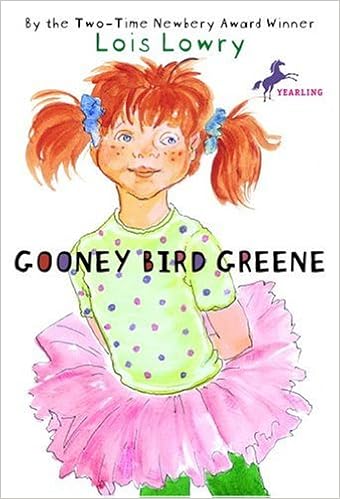
If you are looking for a good book to read aloud to your child, you should take a look at the Gooney Bird Greene series by Lois Lowry. I recently read the first book, Gooney Bird Greene, to the crew. They loved it. Gooney Bird is a quirky little girl who teaches her second grade class how to tell good stories. The books in the series are funny and the chapters are just the right length for a good bedtime (or anytime) read aloud. Gooney Bird teaches other concepts in the other books in the series - things like poetry, vocabulary, geography, fables, etc. She teaches all of this while the reader is laughing and doesn't even notice that they are learning. This series is written at the end of 3rd grade or beginning of 4th grade level so it would not really be appropriate as a "on my own" book for anyone in our crew yet. Children are developmentally ready and able to listen to books that are about 2 grade levels above their current reading level so this series is just perfect for reading aloud to students in our crew. Ask your child about Gooney Bird Greene.
Important Dates
Library - Tuesdays are check out only days for small groups and Fridays are whole crew library time. Be sure to bring back any books that you have finished with by those days if you would like to check out new books.
4/19 Spring Voyage to Castlewood Canyon
4/20 No School
4/28 Outdoor Learning Environment (OLE) Work Day
5/9 Renaissance Art Museum Walk 4:00 pm
5/16 - 5/17 Student-Led Conferences for First Grade
5/23 Third Grade Showcase Portfolios 1:15 pm 3rd Grade Showcase Panel Member Sign Up
5/28 No School
5/30 Sixth Grade Showcase Portfolios 1:15 pm 6th Grade Showcase Panel Member Sign Up
6/5 Sixth Grade Closing Circle 6:30 pm
6/6 Last Day of School - All School Drum Circle at 9:00 am
Friday, April 13, 2018
Links to Other Content Standards for First Grade
I thought that after reading the standards for math for first grade, you might be interested in looking at the standards for other content areas as well. Below are the links to these other standards including versions for parents. The links to the standards for parents are condensed and quick and easy to read.
Reading, Writing and Communicating Standards
Reading, Writing and Communicating Standards for Parents
Social Studies Standards
Social Studies Standards for Parents
Science Standards
Science Standards for Parents
Other Standards for Parents (Art, Drama, Music, PE, etc.)
Below are a few photos of the new rock wall/bouldering on our playground. The kids really like it!
Reading, Writing and Communicating Standards
Reading, Writing and Communicating Standards for Parents
Social Studies Standards
Social Studies Standards for Parents
Science Standards
Science Standards for Parents
Other Standards for Parents (Art, Drama, Music, PE, etc.)
Below are a few photos of the new rock wall/bouldering on our playground. The kids really like it!
Subscribe to:
Posts (Atom)